
18 Oct How to Choose a Video Production Company in Taiwan

Choosing a video production company in Taiwan takes more than finding a polished showreel. You need a team that understands your audience, can coordinate the shoot locally and will deliver the assets your business actually needs. For an international client, that also means clear communication across languages, time zones and approval processes.
The most reliable approach is to shortlist teams with relevant work, give each the same brief and compare their production plans alongside their prices. This guide explains what to check before you commit, from local access and bilingual coordination to revision limits and footage rights.
Start with a brief that makes proposals comparable
A vague request such as “a three-minute corporate video” leaves too many decisions open. One supplier may quote for a single interview and existing footage, while another assumes multiple locations, original music and extensive graphics. Those estimates are not directly comparable.
Before contacting suppliers, prepare a short brief covering:
- Business objective: Explain what viewers should understand, feel or do after watching.
- Audience and distribution: Identify the intended viewers and whether the film will appear on your website, at an event, in paid advertising or elsewhere.
- Deliverables: Specify approximate lengths, aspect ratios, language versions and any shorter edits.
- Filming requirements: List locations, interviewees, products, processes and access restrictions already known.
- Timing and budget: Share the launch date, approval milestones and a realistic budget range if available.
- Brand requirements: Provide visual guidelines, reference films and any mandatory messages or terminology.
You do not need a finished script. A capable video production company should help translate the business objective into a workable creative approach rather than simply film whatever is requested.
Ask each shortlisted team to identify its assumptions and exclusions. Differences at this stage often reveal more than the headline quote, particularly when one proposal depends on resources your own team must supply.
Evaluate a video production company through complete projects
A showreel demonstrates visual range, but it rarely shows whether a team can explain a complicated subject or sustain a coherent story. Request two or three complete films that resemble your project in purpose, audience or production conditions.
For a manufacturing film, examine whether the process is understandable and the facility is represented accurately. For an executive interview, listen to the sound, assess how naturally the speaker comes across and check whether supporting footage adds useful context. For event coverage, look at how the film communicates the experience rather than merely collecting attractive shots.
Ask what the supplier actually handled on each example. A video production company may have provided the entire production or contributed only filming, editing or local support. Both can be valuable, but the distinction matters when you are appointing an end-to-end partner.
You can review PLAN BE’s project portfolio for examples across different formats, then ask which projects best match your intended scope. The portfolio page is in Traditional Chinese.
Look for relevant evidence, not just recognizable client names. A smaller project with comparable access constraints or interview requirements may tell you more than a large campaign produced under very different conditions.
Check whether the Taiwan production plan is realistic
Confirm locations, access and permissions
Local experience should show up in the plan, not just in a statement that the team knows Taiwan. Ask who will contact venues, arrange location visits, obtain approvals and communicate filming restrictions to the crew.
Private factories, hotels, offices and event venues may impose their own conditions. A location’s agreement to host filming does not automatically settle every issue involving public areas, specialist equipment or third-party material visible on camera.
Ask the video production company to explain which approvals your project needs, who is responsible for securing them and what happens if access changes. If aerial filming is proposed, request confirmation that the operator and intended flight comply with applicable requirements and location restrictions. Taiwan’s Civil Aviation Administration is the relevant official starting point for aviation rules.
For visiting foreign crew, confirm entry and work-authorization requirements before booking travel. Do not assume business meetings and hands-on production work are treated identically. The Workforce Development Agency’s foreign professional work permit portal provides an official reference for applicable work-permit categories.
Test the schedule against real operating conditions
A shoot spanning Taipei, Taichung and Kaohsiung needs a location-by-location schedule, not simply a list of places. Travel, equipment moves, setup time and interview availability all affect what can realistically be captured each day.
Ask how the team will handle weather-sensitive exterior scenes, delayed interviewees or a facility that cannot pause normal operations. Inside a manufacturing site, safety induction, restricted areas, confidential information and protective equipment may shape the shot list.
A reliable video production company should distinguish confirmed arrangements from assumptions and explain the backup plan for essential scenes. A proposal that promises to capture everything without discussing these constraints deserves further questions.
Language planning matters too. Confirm who will conduct interviews, explain the director’s requests and verify technical terminology. Fluent conversation is not the same as accurate translation of a specialized product or manufacturing process.
Compare scope before comparing price
There is no useful single price for every corporate film, commercial or event video. Costs change with the creative approach, shoot days, crew, locations, talent, equipment and post-production requirements.
The most useful comparison is the cost of delivering the same agreed scope. Ask for estimates in an agreed currency and establish how taxes, expenses and exchange-rate changes will be handled where relevant.
Use the following checks to uncover differences between proposals:
| Quote component | What to confirm |
|---|---|
| Pre-production | Research, concept development, scripting, location visits and scheduling |
| Filming | Shoot days, crew roles, equipment and the definition of a standard working day |
| Location costs | Venue fees, travel, accommodation and responsibility for permissions |
| People on camera | Casting, presenter or voice-over fees and usage terms |
| Post-production | Editing, color correction, sound work, graphics and music |
| Language versions | Translation, subtitles, voice-over and review responsibilities |
| Deliverables | Master film, shorter edits, aspect ratios, captions and file specifications |
| Changes and contingencies | Overtime, additional revisions, reshoots, postponements and cancellation terms |
When a video production company submits a substantially lower estimate, ask what has been omitted before treating it as a saving. A lean crew may be appropriate for a straightforward interview, but a busy event requiring simultaneous coverage presents a different staffing problem.
Discuss the budget trade-offs openly. One location, fewer setups or a simpler graphics treatment may preserve the central message while reducing cost. Removing essential sound coverage or compressing a complex shoot into an unrealistic schedule can put the final result at risk.
Agree on communication, approvals and delivery
Establish who makes decisions
International projects need a clear division of responsibility between the client, any agency and the local production team. Identify the day-to-day producer, the person authorized to approve creative decisions and the person who can approve additional spending.
Ask the video production company how it records decisions and handles feedback across time zones. If stakeholders will not attend the shoot, agree in advance whether remote participation is needed and how it will work. Do not assume live monitoring or immediate footage uploads are included.
Define approval stages for the concept, script, interview questions, edit and final delivery. Consolidated feedback from one client lead reduces conflicting instructions, but that person must have enough authority to resolve disagreements internally.
Define what “finished” means
Confirm the number of revision rounds and distinguish corrections from changes to an approved direction. A new script after filming may require a different budget and schedule from a subtitle correction.
For multilingual delivery, identify who approves translations, brand terminology and Traditional Chinese subtitles. Specify whether captions must be embedded in the picture, supplied as separate files or both.
The contract should also address ownership or licensing of the finished film, raw footage and editable project files. Check music, stock footage, talent and voice-over rights against your intended territories, channels and duration of use. Payment for production does not by itself answer every rights question.
Make the final decision using evidence, not presentation alone
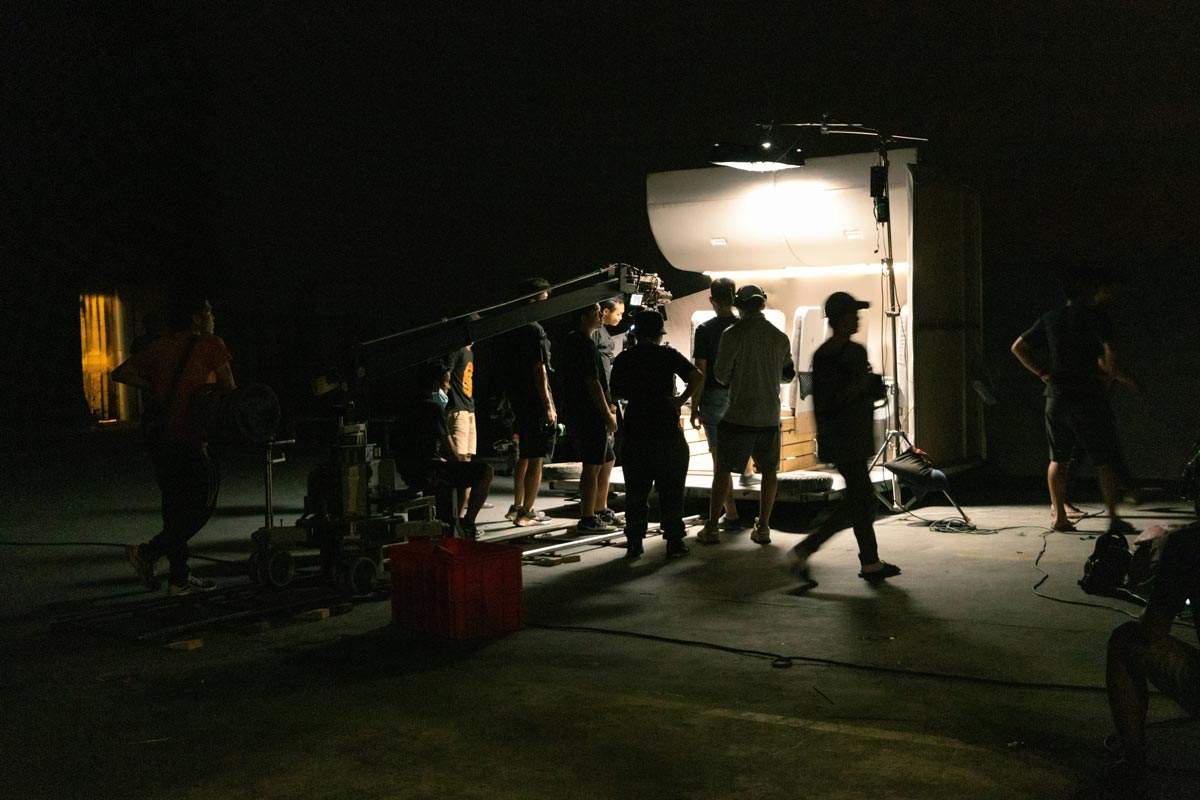
After reviewing comparable proposals, hold a working call with the strongest candidates. Discuss a difficult part of your actual brief, such as interviewing a camera-shy executive, filming around an operating production line or accommodating several overseas approvers.
Listen for specific questions and practical options. A useful response identifies constraints, explains trade-offs and clarifies what must be decided next. Generic reassurance gives you less evidence of how the project will run.
A simple scorecard can help your team choose a video production company consistently. Assess relevant work, the proposed production plan, scope clarity, communication and overall value. Agree internally which factors matter most before comparing scores, rather than changing the criteria to favor a preferred supplier.
Treat unresolved safety, permissions or usage-rights issues as reasons to pause, even if a proposal scores well elsewhere. Likewise, clarify who will actually lead the project and which responsibilities sit with freelance specialists or subcontractors. Using external crew is not inherently a problem; unclear accountability is.
If references are available, ask about communication, handling of changes and delivery against the agreed scope. Those questions provide more useful information than asking only whether the client liked the finished film.
Frequently asked questions
How much does a video production company in Taiwan cost? The budget depends on the scope rather than the location alone. Shoot days, crew requirements, creative development, post-production and usage rights all affect the estimate. Give shortlisted suppliers the same brief and ask them to separate essential production costs from optional additions.
Should I hire a Taiwan-based team or use an overseas agency? That depends on who is responsible for strategy and execution. A Taiwan-based team can handle local production, while an overseas agency may retain creative oversight. If both are involved, define who directs the shoot, approves changes and takes responsibility for final delivery.
Can I manage the production without traveling to Taiwan? Remote management can work when the brief, approval process and local responsibilities are clear. Ask how interviews, on-set decisions and edit reviews will be handled. Confirm any remote viewing arrangements before booking, since they may require additional planning or equipment.
How far in advance should I book? Work backward from the delivery deadline, allowing time for access approvals, interview scheduling, pre-production and post-production reviews. Ask the video production company to identify the latest feasible approval dates. A fixed event date or limited factory access can make early coordination particularly important.
Will I receive the raw footage? Only if the agreement includes it. Confirm which files will be supplied, whether transfer or storage costs apply and how long materials will be retained. Also clarify whether raw footage contains third-party assets or material subject to confidentiality restrictions.
Discuss your Taiwan production brief with PLAN BE
PLAN BE is a Taiwan-based production company serving international companies, brands and agencies, with support from pre-production and local coordination through filming and post-production.
If you are planning a corporate film, commercial, documentary, event video or interview project, share your objectives, locations, deadline and required deliverables with PLAN BE. Ask for a proposed approach with clear assumptions and responsibilities so you can evaluate the fit before committing.
No Comments